

How Smart CNC Machines Help Minimize Material Waste and Energy Use

Updated: Apr 30

Within the manufacturing industry, even a small inefficiency in material use or energy can add up to higher costs. And that's why smart CNC machines are becoming non-negotiable for tackling both the material waste and energy use. They do this by leveraging digital design, real-time sensors, and advanced control software, which is increasingly used in industries such as aerospace, general machinery, and automotive parts. But, how exactly they achieve each of these gains is the question most of the industries are not aware of. Thus, in this blog, we’ll explore absolutely the same, along with some of its energy-efficient features. Come lets get right into it!
Overview: Smart CNC Impact on Waste & EnergySmart CNC machines minimize material waste and energy use through precision toolpaths, computer simulations, and optimized material layouts that reduce errors and scrap. With features like demand-driven power usage, real-time energy monitoring, and regenerative braking, they can cut energy consumption by up to 25% while improving manufacturing efficiency and sustainability. |
How Smart CNC Technology Reduces Material Waste?
Precision-Driven Cutting Minimizes Scrap
Smart CNC machines, including CNC milling machines, use computer-generated toolpaths that strictly follow detailed CAD/CAM instructions allowing for accurate cuts the first time. This leads to fewer mistakes and less waste.
Better Material Layout Saves More Material
Before cutting begins, the advanced CAM software plans how different parts should be placed on a sheet or block of material. By fitting the parts closely together, less material is left unused, and more components can be produced from the same raw stock, which is particularly beneficial in CNC turning machines that rely on efficient stock utilization.
Virtual Proving with Digital Twins
Digital Twin software creates a virtual replica of the CNC environment, letting operators detect programming errors, collisions, or gouges before cutting. This ensures first-time-right production and eliminates scrap, especially for costly or high-value materials.

Recycling and Chip Reuse Programs
Even when machines are very efficient, some waste pieces (like small metal or plastic chips) are always created. Smart CNC workshops don’t throw this waste away. Instead, they collect these chips and leftover pieces and recycle them, which is especially common in large-scale machining environments using bridge mills. All of this reduces waste and benefits the environment.
Energy-Efficient Features of Modern CNC Machines
Demand-Driven Power Usage
Unlike older equipment that runs at full power continuously, modern CNC systems automatically adjust energy usage based on the operational load. This is especially effective in vertical CNC machines, where variable frequency drives (VFDs) and energy-efficient motors ensure the machine uses power only when cutting, moving, or performing active machining. And, during pauses or tool changes, the smart controls switch the machine into a low-power mode, further reducing energy waste when it’s idle.
Did you know? According to peer-reviewed research published in Sensors (via the U.S. National Institutes of Health’s PubMed Central) by researchers at Oak Ridge National Laboratory and West Virginia University, optimized process planning and advanced control systems in CNC machining can reduce energy consumption by up to 25%. |
Real-Time Energy Monitoring and Analytics
Many smart CNC platforms include IoT-enabled sensors and dashboards that track energy use in real time. This allows shop managers to identify inefficiencies, optimize schedules, and make data-driven decisions that cut unnecessary power draw, especially during peak grid demand periods.
Regenerative Braking and Kinetic Energy Recovery
Modern CNC machines are now adopting the same technology similar to what you’d find in an electric vehicle. When a high-speed spindle or a heavy axis decelerates, it generates a significant amount of kinetic energy. Instead of dissipating this energy as heat, regenerative drive systems capture that energy and feed it back into the machine’s power supply or the factory grid.
Conclusion
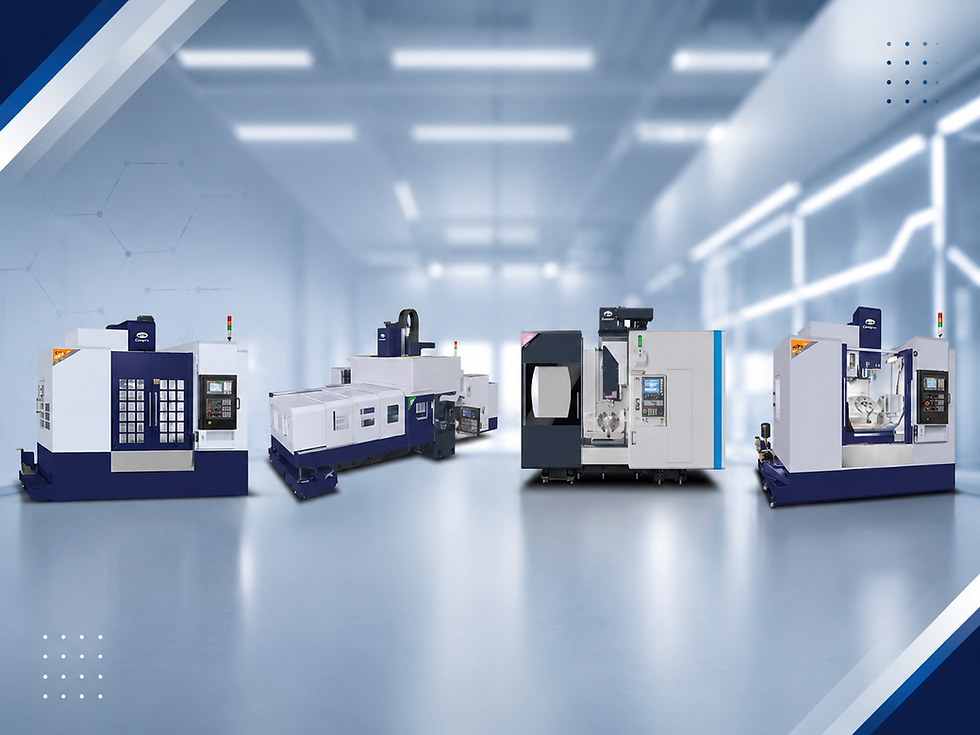
Thus, from the above, it is clear that it represents a huge leap in sustainable manufacturing, enabling companies to ultimately reduce both material waste and energy use while improving precision. And if you are in search of one of these to add to your business, Campro USA offers a vast range of CNC machines, ranging from vertical machining centers to bridge mills. All backed by tailored configurations and expert guidance to help you find the right solution and keep it running smoothly.
Ready to have an upgrade to smarter, greener machinery? Check out our CNC machines today!
Frequently Asked Questions
What are the main components of a CNC machine?
Core CNC machine components include the controller, spindle, drive motors, cutting tools, worktable, feedback sensors, and CAD/CAM software for precise automated machining operations.
Does CNC machining really reduce waste compared to manual machining?
Yes. CNC machining reduces waste through high precision, optimized toolpaths, simulations, and automation, which minimizes errors, rework, scrap material, and excess raw stock usage.
How do you prevent machine crashes in CNC machining?
Machine crashes are prevented in modern CNC systems through CAD/CAM simulations, collision detection, toolpath verification, sensors, real-time monitoring, and preventive maintenance.
What is the difference between CNC milling and CNC turning?
CNC milling uses rotating cutting tools on stationary workpieces to create complex shapes, while CNC turning rotates the workpiece to produce precise cylindrical and symmetrical parts.
Can CNC machines work with renewable energy?
Yes. CNC machines can operate using renewable energy sources like solar or wind when integrated with energy-efficient motors, smart controls, and industrial power management systems.


Comments