

Top Features to Look for in a Modern CNC Milling Machine
- Jordan Monaghan
- Aug 14, 2025
- 4 min read
Updated: Apr 28
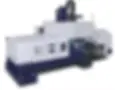
You probably don’t know what features truly define a top CNC milling machine, and that’s where most problems begin. Choosing the wrong CNC mill or one lacking essential modern capabilities can seriously derail your operations. A poor selection can compromise part accuracy, accelerate tool wear, disrupt production flow, and inflate long-term operational costs. Without the necessary rigidity, axis travel, or advanced control systems, even the best software or tooling won't compensate.
If you're preparing to buy a CNC milling machine, this guide outlines the critical features that define a production-ready CNC milling machine, so you can make a technically sound, cost-justified investment that supports both current workflows and future scalability.
Key Performance Attributes of a Modern CNC Milling Machine
Configuration & Capability
Machine configuration dictates the range and complexity of operations. Vertical CNC mills are suitable for most general-purpose tasks, offering a smaller footprint and a straightforward setup. Horizontal mills, by contrast, provide better chip evacuation and are ideal for large or heavy parts.
Key performance specs to assess include:
Spindle Speed & Torque: Machines with spindle speeds of up to 15,000–20,000 RPM and variable torque are essential for a wide range of materials, from aluminum to hardened steels. Choosing the right spindle speed for your application is essential. Something like “choosing the right RPM spindle for your application is essential to maximize productivity. For example, non-ferrous materials like Aluminum and Bronze, allow for much higher spindle speeds whereas ferrous materials including stainless steels need to be cut at respectively much lower speeds.”
Axis Travel: Evaluate X, Y, and Z travel dimensions to ensure they match your part sizes.
Number of Axes: 5-axis CNC milling enables the creation of complex geometries and reduces the need for setups, resulting in shorter cycle times and improved finish.

Tool Capacity: Automatic tool changers (ATC) with 20–60 stations increase flexibility and reduce manual changeover. Something like “the more tool capacity your Automatic Tool Changer has, the less manual changeover you have to do.” There can be a huge variety of capacities in the industry so no need to put a number on it.
Understanding your production needs will help determine the machine's required rigidity, horsepower, and motion range.
Software & Controls
Modern CNC milling machines rely heavily on software and intuitive control systems. A user-friendly interface like FANUC, Siemens, or Heidenhain can reduce the learning curve and boost programming efficiency. Look for the following software features -
CAD/CAM Integration: Seamless file transfer and toolpath generation.
Conversational Programming: Simplifies operation for less-experienced users.
Simulation & Verification: Prevents collisions and errors before cutting begins.
Remote Monitoring: Enables live tracking of performance, optimizes cycle times, and detects anomalies.
Adaptive Control Software: It automatically adjusts feeds and speeds based on tool wear or material resistance, minimizing tool breakage and improving surface finish.
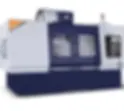
Looking for a CNC milling machine that meets the demands of modern production? Explore options like the CPV-1600B 50 Taper, which offers enhanced thermal stability, a heavy-duty 50 taper spindle, and advanced vibration damping to maximize precision and tool life. For technical assistance and personalized advice, feel free to contact us.
Build Quality
A machine's frame determines its long-term reliability and machining precision. High-quality milling machines are built using thermally stable cast iron or steel structures to minimize deflection and absorb vibration. Pay attention to the machine’s weight, as heavier frames generally offer more stability under high loads.
Other structural features to check:
We offer linear and box way machines and this makes it sound like linear are objectively better which they aren’t.
Direct-Drive or Servo Motors: Offer high acceleration and precision feedback.
Repeatability Ratings: Top machines achieve ±0.002 mm or better.
Spindle Construction: Look for coolant-through-spindle systems to increase tool life.
Backlash compensation: The mechanisms that guarantee consistent output.
Coolant delivery systems, chip conveyors, and enclosures are additional elements that contribute to cleanliness, temperature control, and reduced wear over time.
Automation & Integration
Today’s advanced CNC mills support a high level of automation, which is vital for reducing labor costs and increasing production throughput. Features such as automatic tool changers (ATC), pallet changers, and robotic loading systems facilitate lights-out manufacturing.
Integration with MES (Manufacturing Execution Systems), ERP platforms, and IoT sensors allows real-time data logging, remote diagnostics, and predictive maintenance alerts. Machines that support Industry 4.0 protocols enhance traceability, quality control, and shop floor transparency.
Look for compatibility with probe systems for in-process measurement and adaptive machining, enabling on-the-fly adjustments without manual intervention.
Safety & Maintenance
Safety is non-negotiable in any CNC milling machine setup. Ensure the machine meets international safety standards like CE or ANSI. Key safety components include emergency stop buttons, interlocked doors, and spindle brake systems.
Ease of maintenance is another decisive factor. Machines with centralized lubrication systems, diagnostic dashboards, and modular components reduce downtime. Built-in vibration sensors and thermal monitoring can alert operators to potential issues before they escalate.
Scheduled maintenance features and self-cleaning mechanisms such as automatic air purges and filtration systems help maintain machine efficiency and extend component life.
Conclusion
Investing in a well-rounded CNC milling machine can significantly impact your profitability, whether your goal is to enhance accuracy, reduce processing time, or increase output volume. With a clear understanding of these essential features, you’ll be better equipped to buy a CNC milling machine that fits your exact needs, ensuring reliability and performance.